

The GP team: a range of experts to help with your healthcare
Did you know there is a range of different expert roles supporting patients across our GP surgeries?
Each of these experts gives tailored help that matches a person’s needs. So nowadays, it’s not always the doctor you need to see.
Our short video explains some of the roles in modern general practice. They enable people to get the most suitable help more quickly. These subject matter experts reduce pressure on busy GPs and they’re often far better placed to help with your needs.
Dr John Garman is a GP and senior partner at Helston Medical Centre. He explains:
“Your GP surgery is by no means only about its doctors. There is a whole team of people with specific skills and knowledge to care for a huge variety of patient need.”
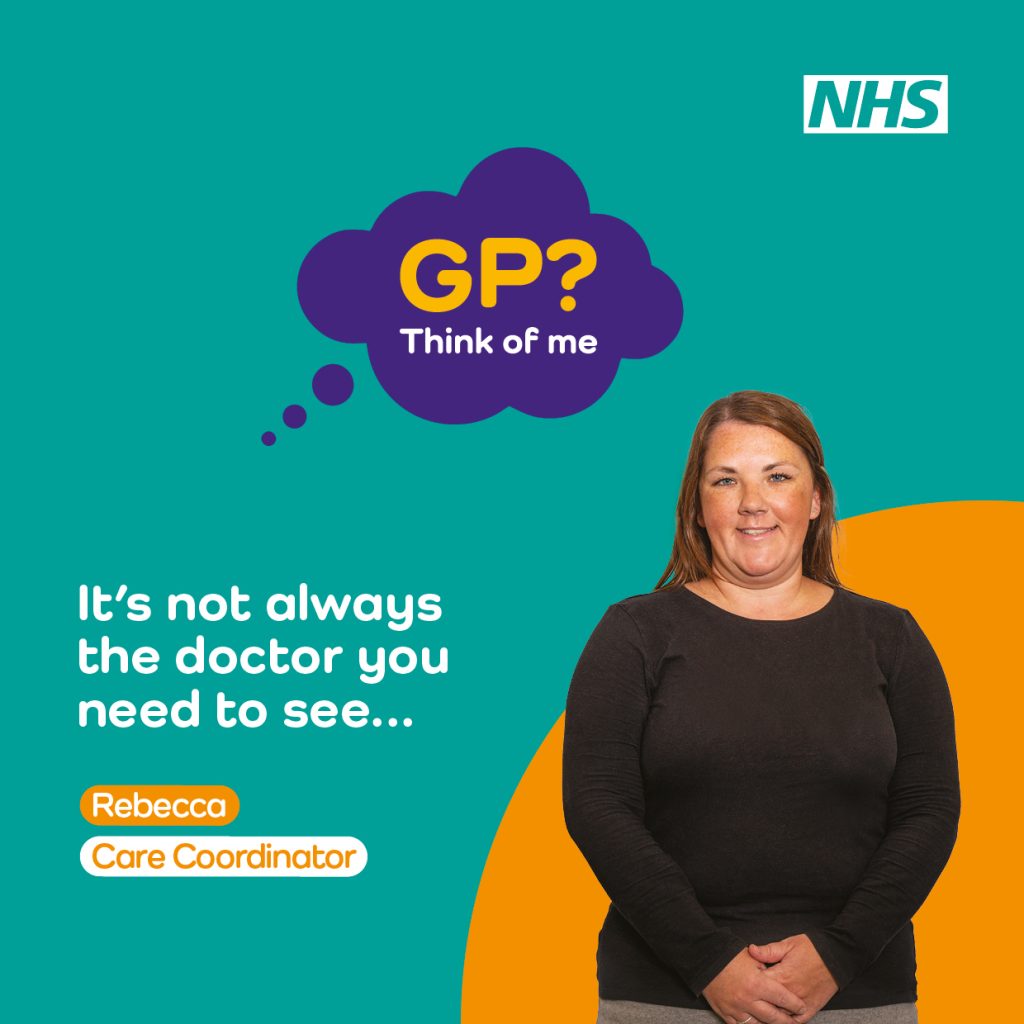

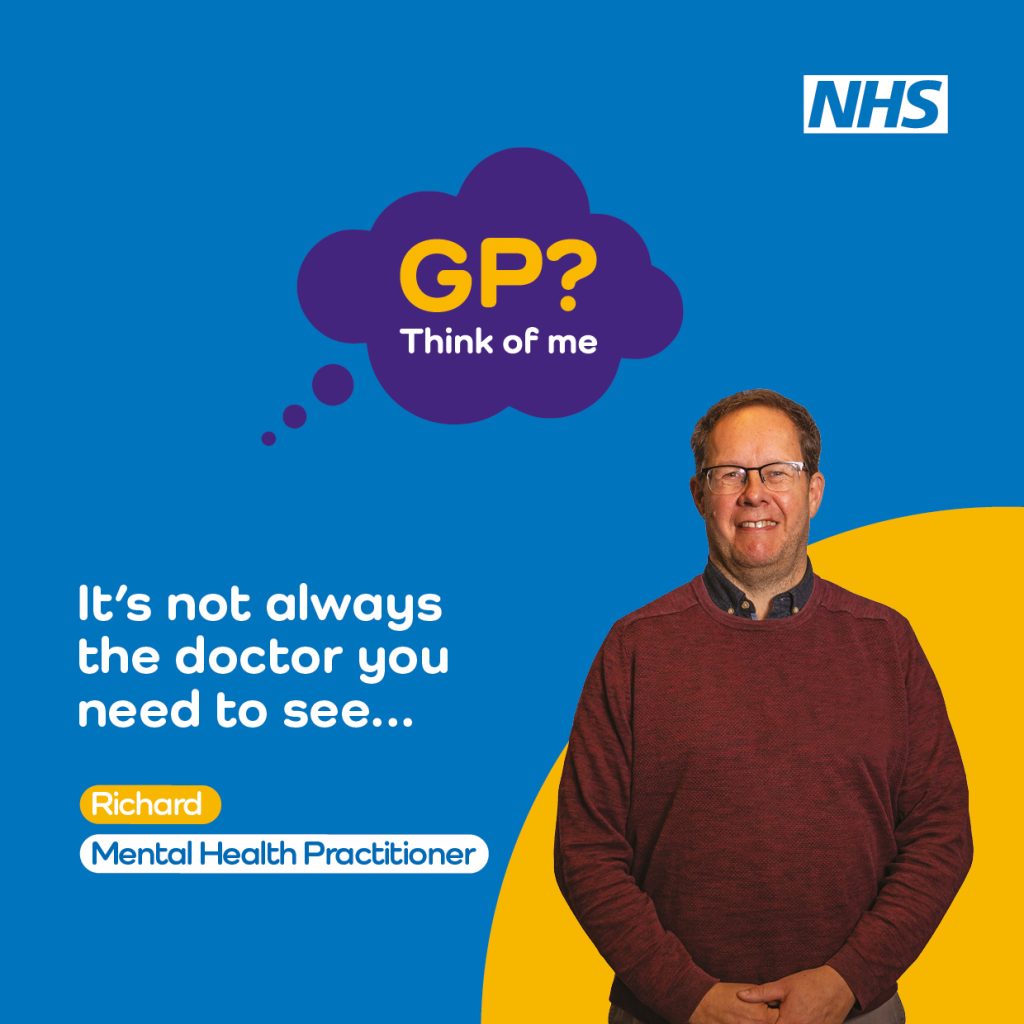
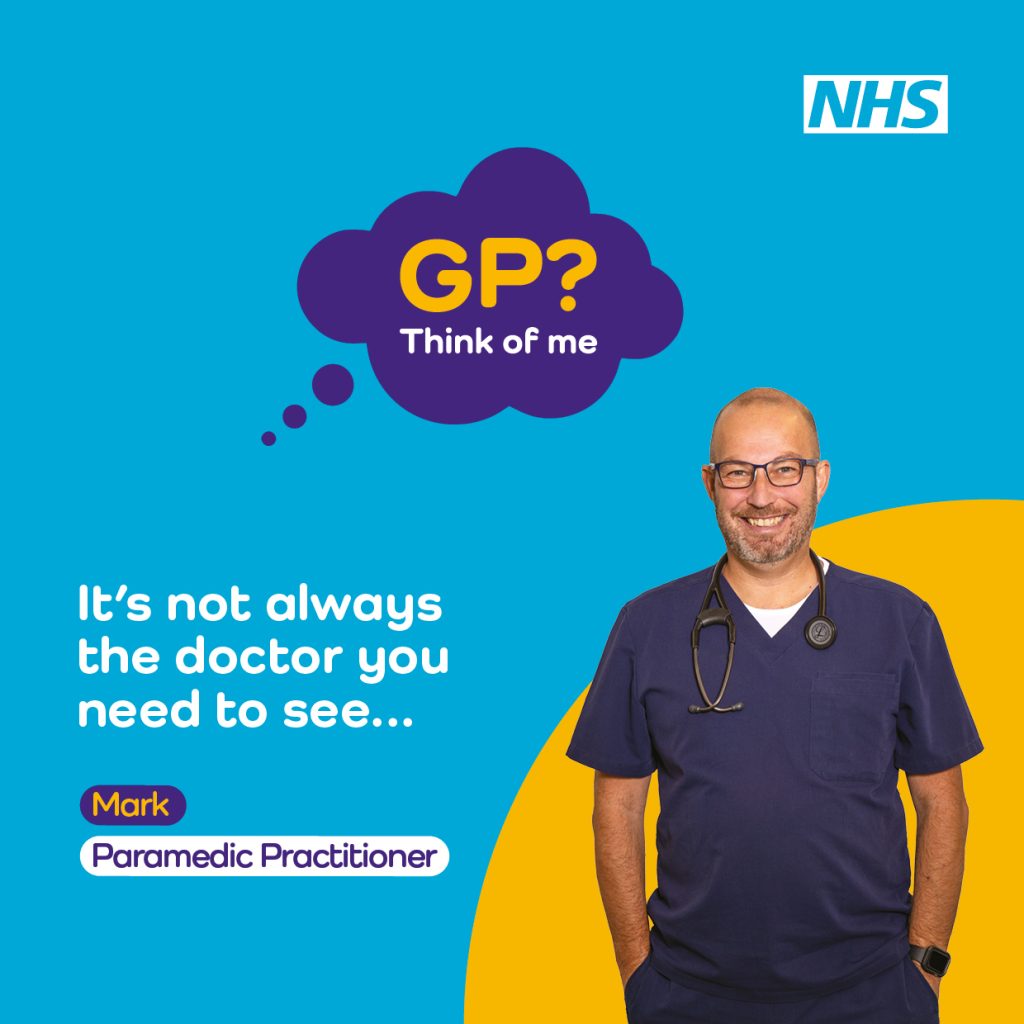
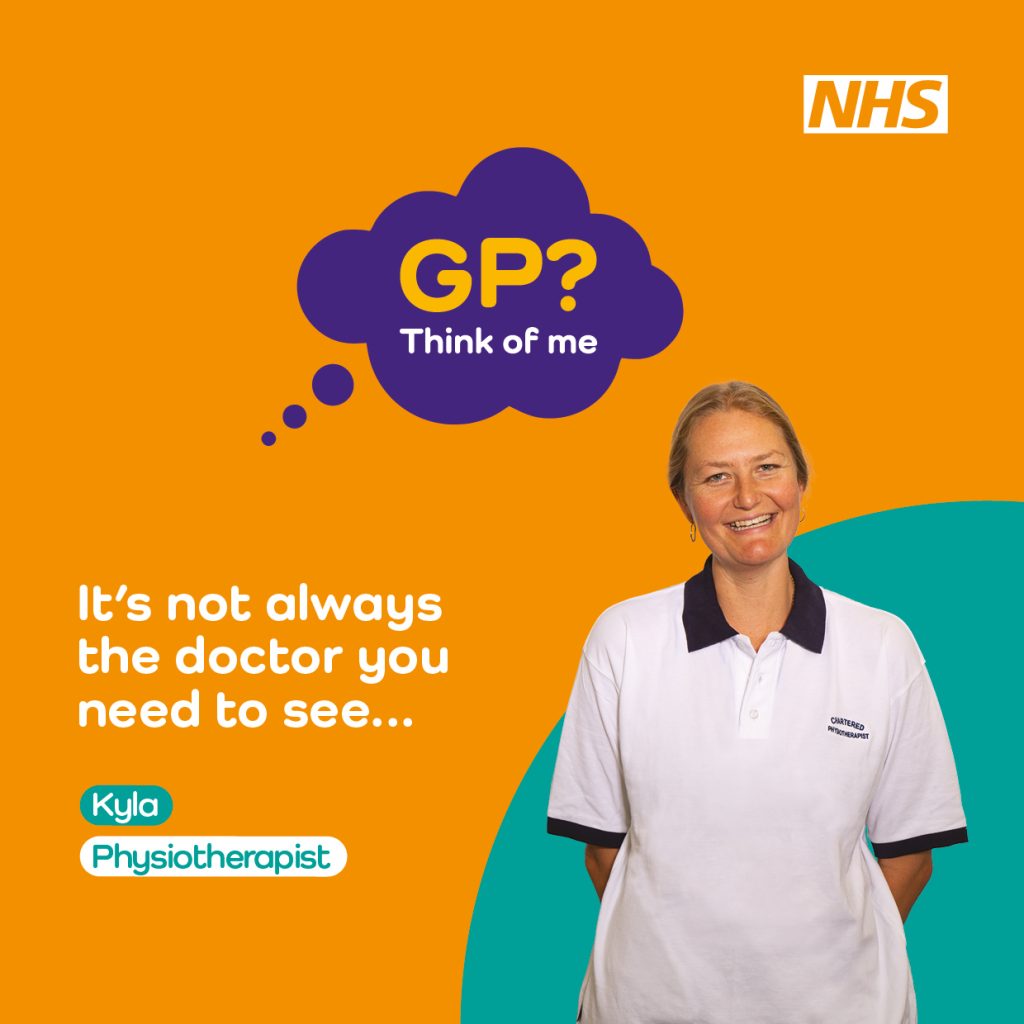
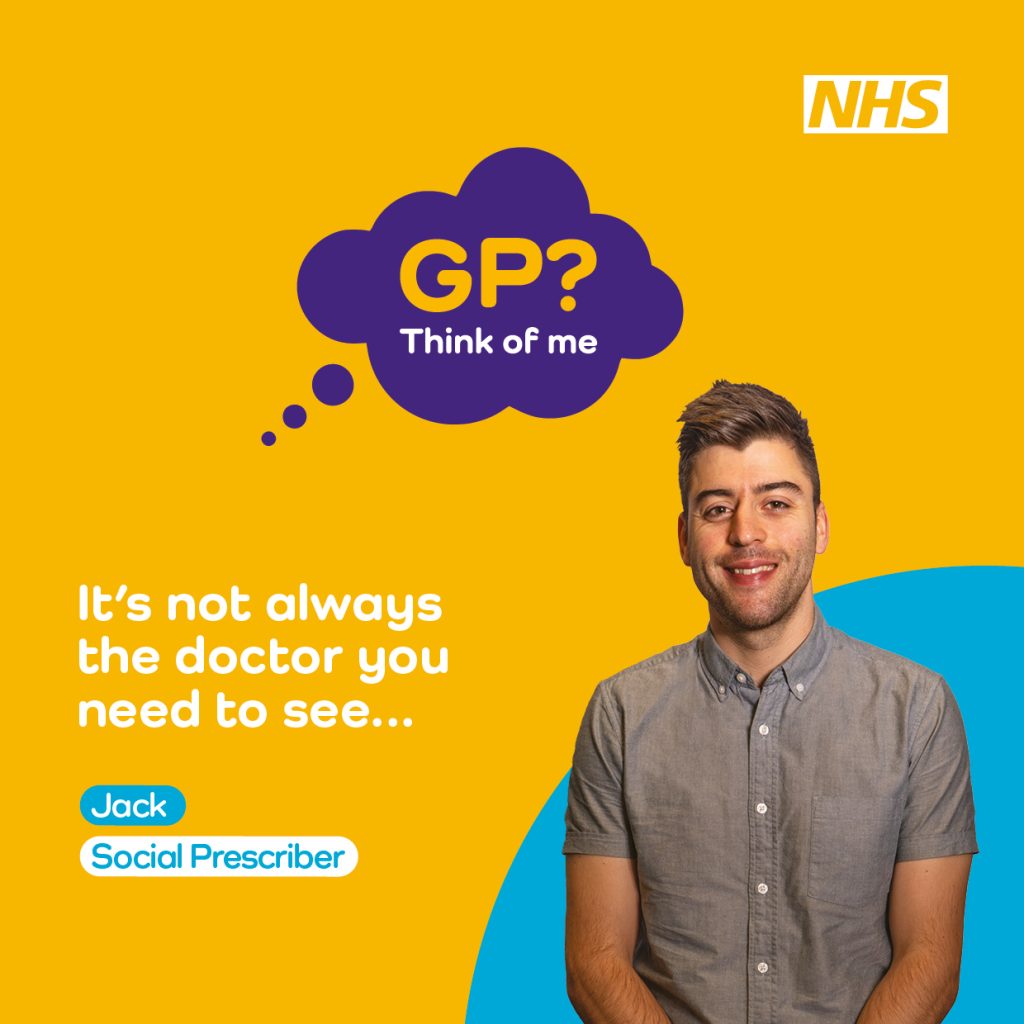
Roles vary from surgery to surgery, here are some examples:
- A mental health practitioner can support with your mental health needs. They will ensure that you get the right treatment for you.
They can even prescribe medicines, so there is no longer a need to see the GP. The appointment is a one stop shop, and patients will be referred for onward care when that is appropriate.
- A clinical pharmacist can help with your medicines. They will make sure they are working well for you and can prescribe any changes.
- More and more practices have a physiotherapist on hand. They can provide medicine-free pain relief for things such as headaches, neck ache, backache and so much more.
There are non-medical experts available from the team too:
- Social prescribers are at the heart of local communities. They can support with all sorts of needs, from money matters and feeling lonely, to staying active for your health.
- A care coordinator can provide help with treatment plans, finding care packages, and family support. For example, if one half of a couple is a carer for the other and has to go into hospital, the care coordinator can arrange a package of support for the person staying at home. This can be an invaluable service for patients, their families and loved ones.
Dr Garman asks:
“Please keep in mind there is a range of experts at a GP surgery. It’s not always the doctor you need to see, and you will be offered an appointment that best suits your needs.”
Help the receptionist, help you
Are you among the 1 in 3 people who is not aware that receptionists (or care navigators as some are now called) have special training to help direct you to the right member of the GP team?
Most practices carry out a process called clinical triage. This helps them to understand 3 key things:
- what the health problem is
- which member of the practice team is best to deal with this
- how quickly you need to be seen
Triage is carried out by a clinician, using information provided to them by the receptionist.
This means that by asking some questions, the receptionist can help you get the right care, faster. They’re not being nosey, and anything you share is treated in confidence. Give them as much information as you can, as it really helps.